


Getting into USPSA competition shooting? Your division choice shapes more than just the firearm you use. It affects your equipment, scoring strategy, and how you approach each stage.
From traditional iron-sight pistols to red-dot-equipped race guns, USPSA offers something for different shooting styles. This guide breaks down all nine USPSA divisions and helps you find the right competition red dot sight for your setup.
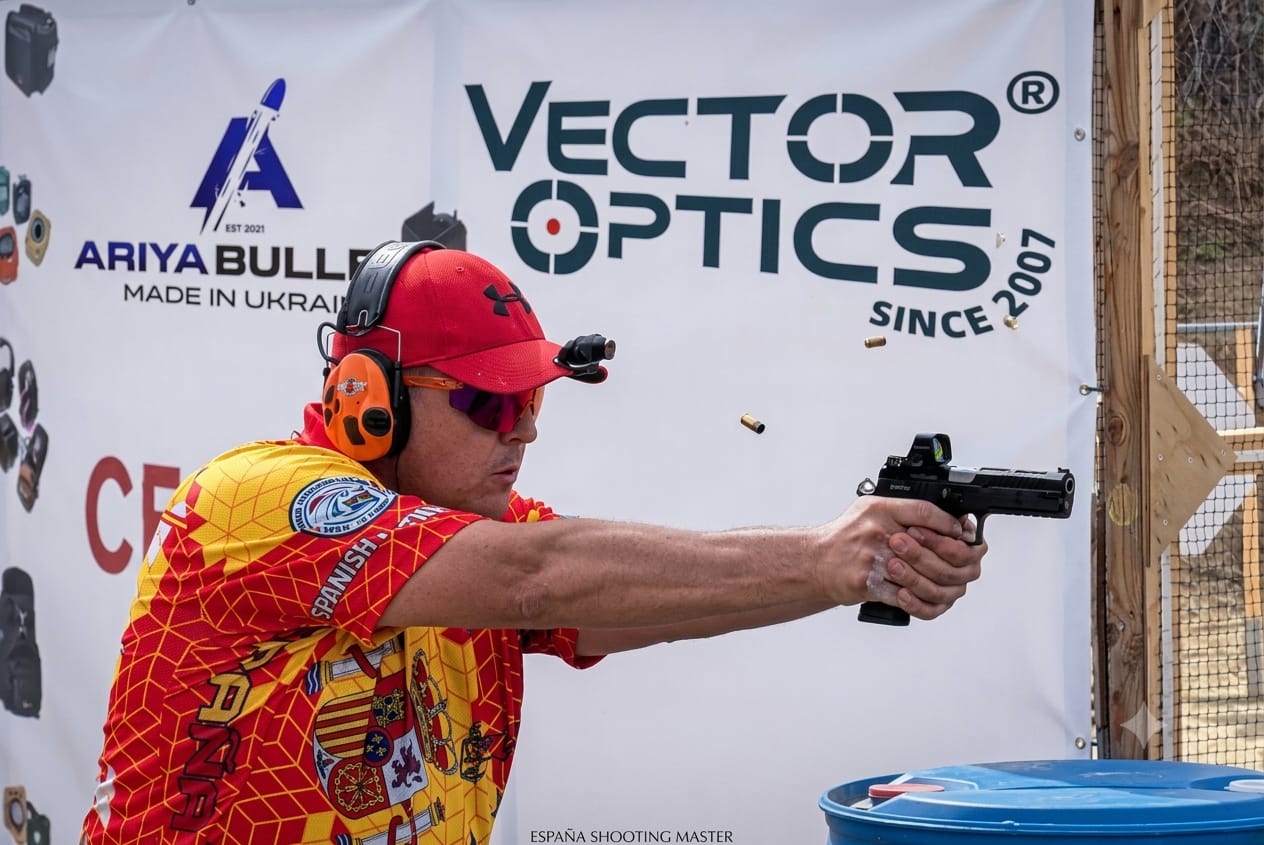
1. What Are the Different USPSA Divisions?
USPSA separates competitors by firearm type, magazine restrictions, power factor, and permitted modifications. These rules influence shooting speed, reload frequency, and scoring strategy.
Here’s what makes each division different.
1.1 Carry Optics Division
Carry Optics brings together practical semi-automatic pistols and slide-mounted red dots.
- Equipment: Typically 9mm pistols, slide-mounted optics, Minor scoring, and magazines within the division’s length limit.
- Competition Focus: Fast transitions, fewer reloads, and accurate hits.
Popular platforms include the Glock 34 MOS, CZ Shadow 2 OR, and SIG Sauer P320 X5 Legion.
1.2 Limited Optics Division
Limited Optics takes competition customization further, allowing performance-focused pistols such as compatible 2011 platforms.
- Equipment: Slide-mounted red dots, permitted magwells, competition triggers, and Minor scoring.
- Competition Focus: Recoil control, fast follow-up shots, and consistent accuracy.
It’s a great fit for shooters who want more equipment flexibility than Carry Optics.
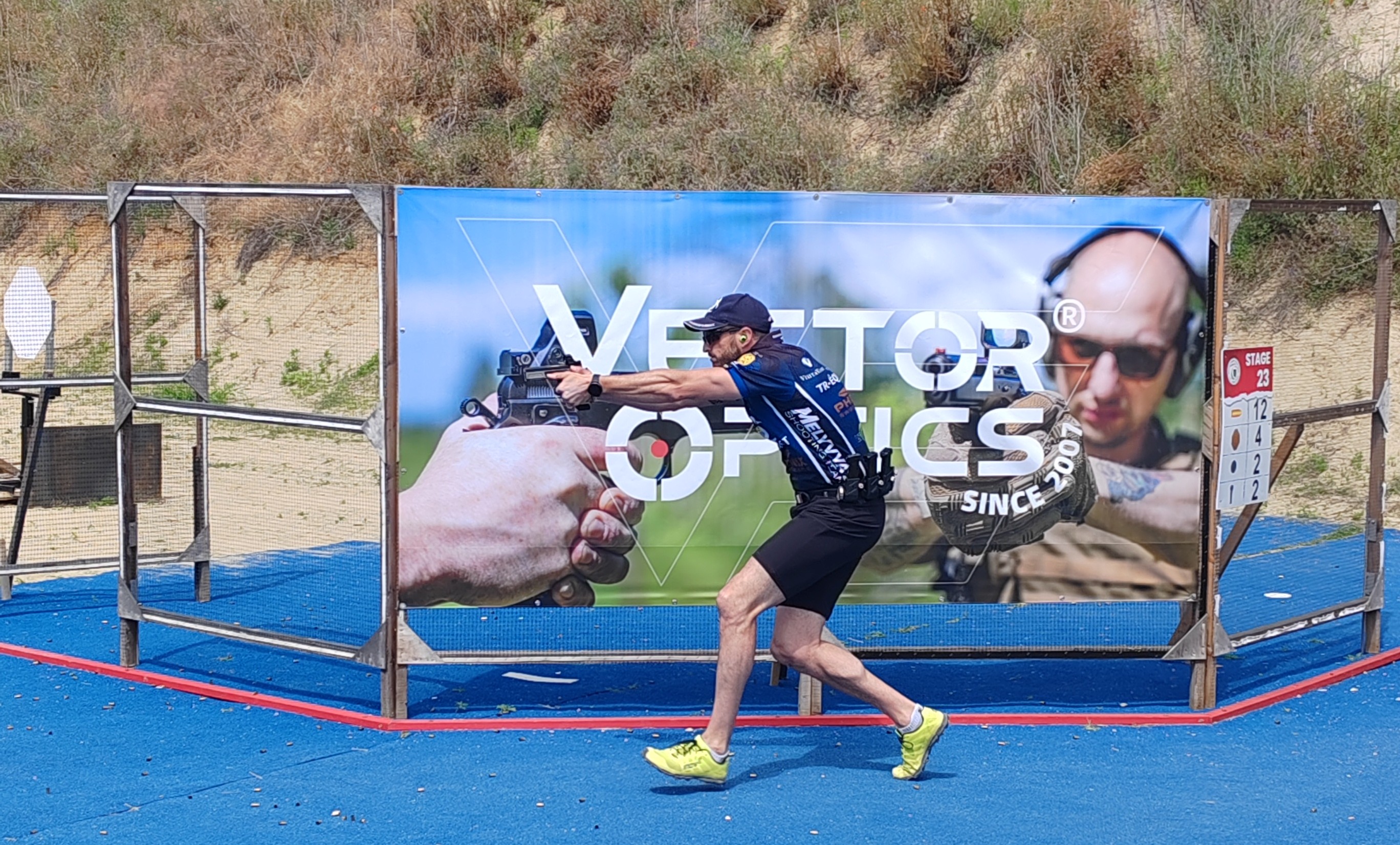
1.3 Open Division
Open is the high-performance side of USPSA, where customized race guns take center stage.
- Equipment: Compensators, optical sights, extended magazines, and Major or Minor scoring.
- Competition Focus: High-speed shooting, efficient stage planning, and managing complex equipment setups.
Custom 2011-style pistols are common, often paired with frame-mounted red dots.
1.4 PCC (Pistol Caliber Carbine) Division
PCC swaps the handgun for a pistol-caliber carbine, bringing shoulder-fired stability into competition.
- Equipment: Carbine platforms, permitted optics, high-capacity magazines, and Minor scoring.
- Competition Focus: Smooth target transitions, positioning, and efficient movement.
Popular examples include AR-9 platforms, SIG MPX, and CZ Scorpion carbines.
1.5 Limited Division
Limited is all about high-performance pistols without optical sights.
- Equipment: Iron sights, competition-oriented pistols, and Minor or Major scoring.
- Competition Focus: Sight alignment, recoil management, and balancing speed with scoring.
Major scoring can offer an advantage on certain non-A-zone hits, making ammunition selection part of the strategy.
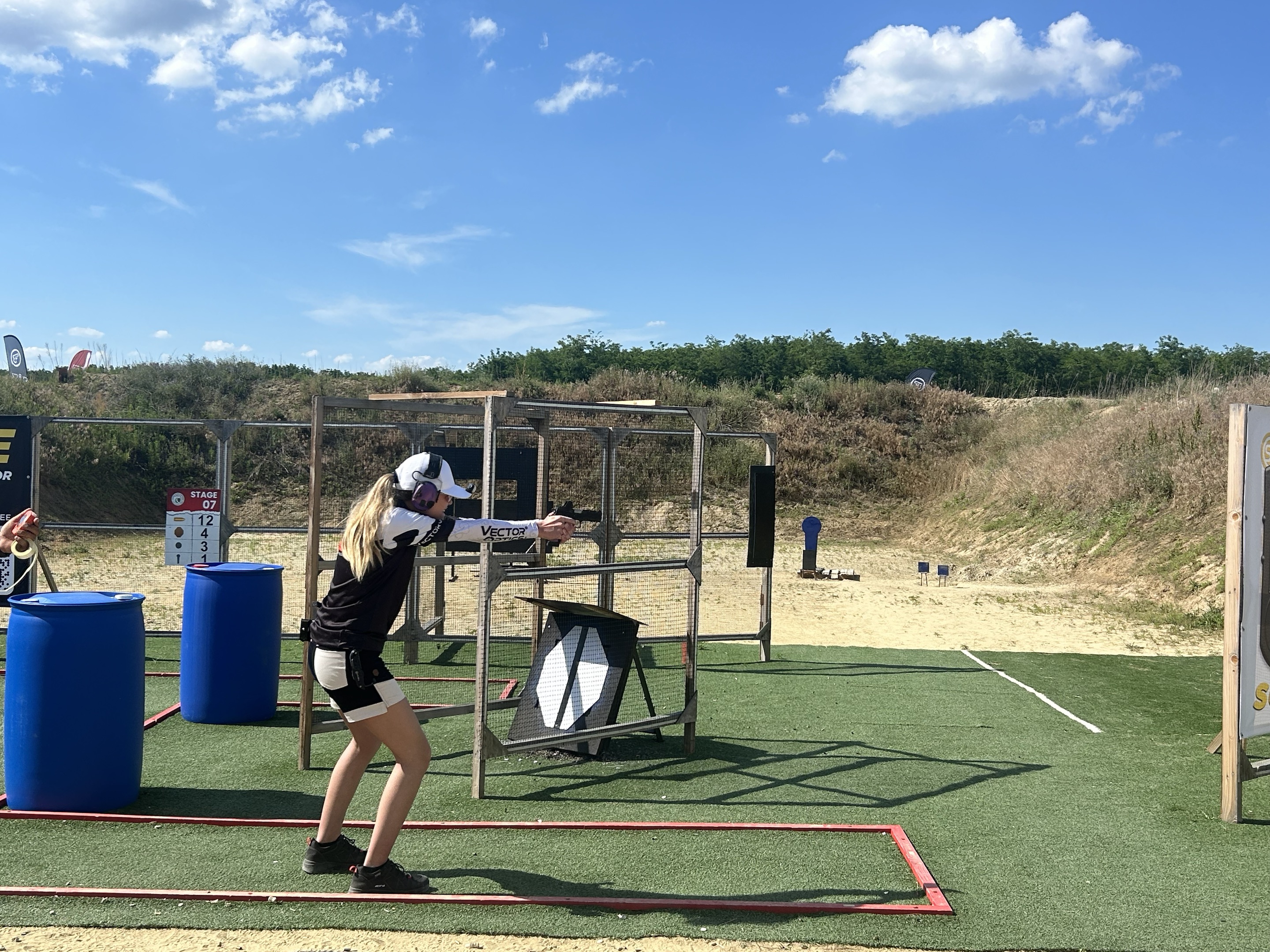
1.6 Production Division
Production keeps the focus on approved, largely stock pistols.
- Equipment: Production-eligible handguns, iron sights, restricted modifications, and Minor scoring.
- Competition Focus: Shooting fundamentals, accuracy, and smart reload planning.
Common platforms include the Glock 17, CZ Shadow 2, and Walther PDP.
1.7 Single Stack Division
Love the classic 1911? This division puts traditional single-stack pistols in the spotlight.
- Equipment: Single-stack 1911-style pistols with capacity limits determined by scoring configuration.
- Competition Focus: Precise shooting, disciplined ammunition management, and efficient reloads.
1.8 Revolver Division
Revolver competition brings a different challenge, where every reload and trigger press counts.
- Equipment: Eligible revolvers, with ammunition capacity and scoring governed by division rules.
- Competition Focus: Reload efficiency, consistent trigger control, and careful stage planning.
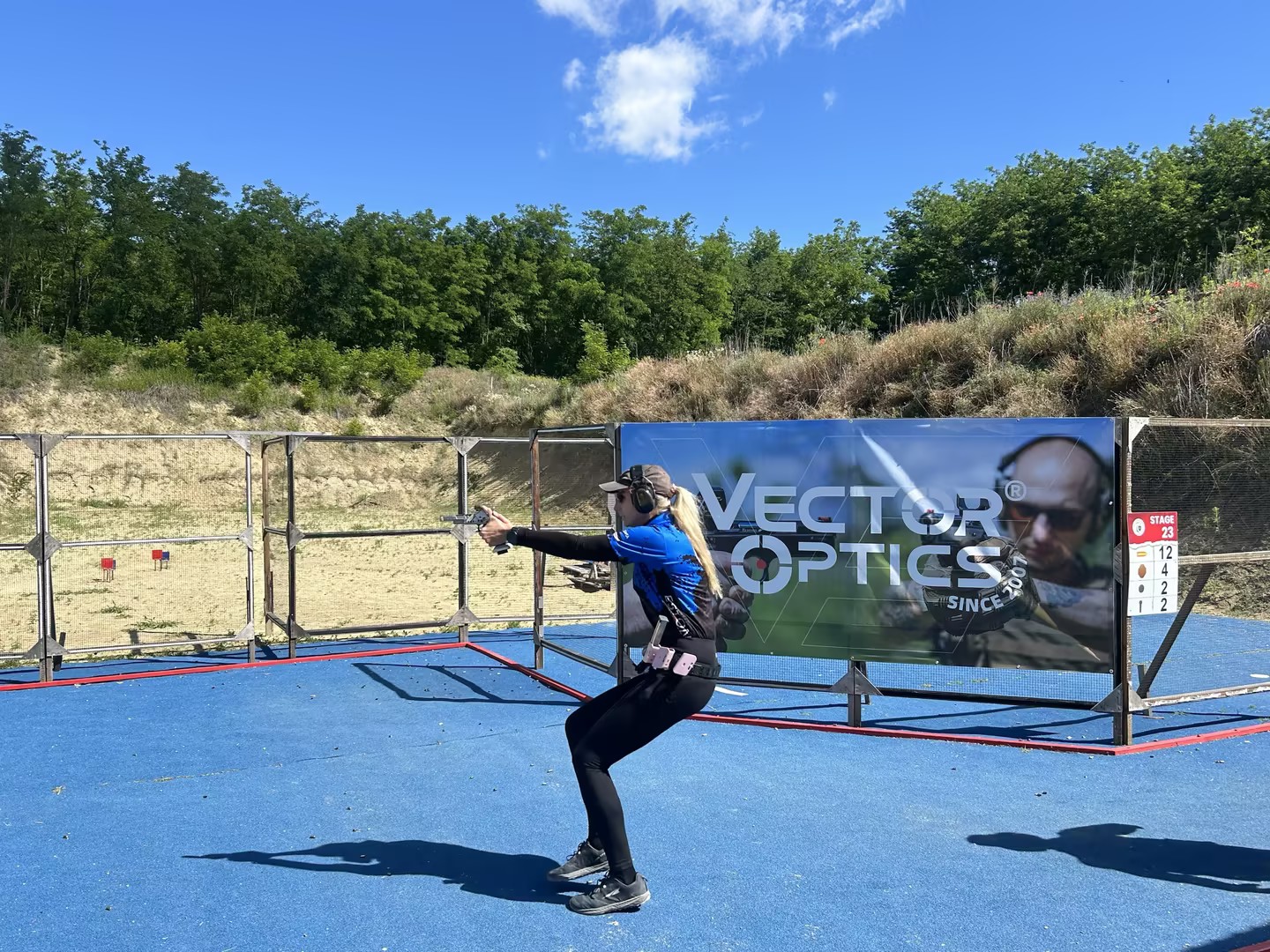
1.9 Limited 10 Division
Limited 10 follows the general concept of Limited but restricts magazine loading to 10 rounds.
- Equipment: Limited-style pistols, iron sights, and a 10-round loading limit.
- Competition Focus: Reload timing, stage planning, and maintaining accuracy.
New to competitive shooting? Our USPSA Beginner’s Guide covers scoring, safety rules, classifier stages, and what to expect at your first match.
USPSA Divisions Comparison
| Division | Typical Platform | Optics | Scoring |
|---|---|---|---|
| Carry Optics | Semi-auto pistol | Slide-mounted red dot | Minor |
| Limited Optics | Competition pistol / 2011 | Slide-mounted red dot | Minor |
| Open | Race gun | Optics permitted | Minor / Major |
| PCC | Pistol-caliber carbine | Optics permitted | Minor |
| Limited | Competition pistol | Iron sights | Minor / Major |
| Production | Approved production pistol | Iron sights | Minor |
| Single Stack | 1911 pistol | Iron sights | Minor / Major |
| Revolver | Revolver | Rule-dependent | Minor / Major |
| Limited 10 | Competition pistol | Iron sights | Minor / Major |
Equipment rules, capacity limits, and division eligibility may change. Always consult the latest USPSA rulebook before entering a match.
2. How Do You Choose a Red Dot Sight for Different USPSA Divisions?
Not all USPSA red dot sights serve the same purpose. Slide-mounted optics must handle repeated movement, while frame-mounted and PCC optics have different mounting and handling requirements.
Let’s look at what matters for each red-dot-friendly division.
2.1 What Makes a Good Carry Optics Red Dot?
Carry Optics demands a sight that can handle repeated slide movement while keeping the aiming point easy to find.
Key priorities: Compact construction, recoil resistance, clear dot visibility, and reliable zero retention.
For shooters comparing pistol optics, Vector Optics offers three Frenzy FA configurations:
- Frenzy FA 17×20 Red Dot Sight Aspheric Lens EDC (SCRD-68)
- Frenzy FA 17×20 Red Dot Sight MRT Aspheric Lens EDC (SCRD-M68)
- Frenzy FA 17×20 GMR Green Dot Sight EDC (SCRD-GM68)
These compact designs offer different reticle options for compatible pistol setups.
2.2 Which Red Dots Suit Limited Optics?
With competition-oriented pistols and greater equipment flexibility, Limited Optics puts more emphasis on a comfortable sight picture during repeated shots.
Key priorities: Generous viewing window, visible reticle, durable construction, and consistent performance.
The Vector Optics Frenzy FLEX 24×29 lineup includes:
- Frenzy FLEX 24×29 CDT 2&6MOA (SCRD-C77)
- Frenzy FLEX 24×29 6MOA (SCRD-77)
- Frenzy FLEX 24×29 GMR Green Dot (SCRD-GM76)
- Frenzy FLEX 24×29 MRT (SCRD-M76)
- Frenzy FLEX 24×29 6MOA (SCRD-76)
Different dot colors and reticle patterns give shooters more ways to match their visual preferences.
2.3 What Should Open Division Shooters Look For?
Open Division often features compensated race guns and frame-mounted optics. Since the sight doesn’t move with the slide in a frame-mounted configuration, shooters experience a different visual recoil pattern.
Key priorities: Wide viewing window, daylight-visible illumination, secure mounting, and clear reticle visibility.
Recommended Vector Optics models include:
- Frenzy FLEX 24×29 CDT 2&6MOA (SCRD-C77)
- Frenzy FLEX 24×29 6MOA (SCRD-77)
- Frenzy FLEX 24×29 GMR Green Dot (SCRD-GM76)
- Frenzy FLEX 24×29 MRT (SCRD-M76)
- Frenzy FLEX 24×29 6MOA (SCRD-76)
- Frenzy FLEX 19×28 Titanium TIA (SCRD-T64)
Always verify that the optic and mounting system work together before choosing a setup.
2.4 Which Red Dot Sights Work Well for PCC?
PCC platforms offer additional stability and relatively manageable recoil. Shooters often prefer a clear aiming reference and comfortable viewing window across different target distances.
Key priorities: Easy dot visibility, generous window size, adjustable brightness, and suitable mounting height.
For PCC shooting, consider these Vector Optics models.
Frenzy F3 26×32 Series
- Frenzy F3 26×32 GMR Green Dot (SCRD-GM79)
- Frenzy F3 26×32 MRT Red Dot (SCRD-M79)
- Frenzy F3 26×32 6MOA Red Dot (SCRD-79)
Frenzy Plus 31×26 Series
- Frenzy Plus 31×26 Solar SOL (SCRD-S67)
- Frenzy Plus 31×26 Multi-Reticle MRT (SCRD-M67)
- Frenzy Plus 31×26 Red Dot (SCRD-67)
Frenzy F3 Solar Series
These models offer different window sizes, reticle configurations, and illumination systems for compatible PCC platforms.
Quick Red Dot Selection Guide
| Division | Main Priority | Optic Characteristics |
|---|---|---|
| Carry Optics | Consistency | Compact, durable, clear dot |
| Limited Optics | Visual comfort | Large window, visible reticle |
| Open | Equipment flexibility | Bright reticle, suitable mounting |
| PCC | Stable sight picture | Wide window, comfortable height |
3. Which VictOptics Red Dots Are Worth Exploring?
New to red dots or building a recreational range setup? VictOptics offers accessible options for shooters who want to explore different optic styles before moving into specialized competition equipment.
VictOptics Z4 1x23x34 Red Dot (RDSL26)
The VictOptics Z4 1x23x34 Red Dot Sight features a spacious viewing window and four reticle patterns, offering flexibility for recreational shooting.
VictOptics SRD 1×30 Red Dot (RDSL41)
The VictOptics SRD 1×30 Red Dot Sight combines a 30 mm objective lens, 3 MOA dot, and adjustable illumination for compatible carbine-style platforms.
You can also browse the VictOptics Red Dot Sight Collection for more optic designs.
Check firearm compatibility and official USPSA division requirements before using any optic in competition.
4. How Do You Find the Right USPSA Setup?
Choosing a USPSA red dot sight starts with understanding your division, not chasing the longest feature list.
Carry Optics favors practical pistol configurations, Limited Optics offers greater customization, Open allows extensive equipment freedom, and PCC delivers a different shooting experience with carbine platforms.
Whether you’re comparing Vector Optics competition models or exploring VictOptics red dots, the right choice should fit your firearm, meet the rules, and feel comfortable to use.
FAQ
1. Can Beginners Compete in USPSA Without Experience?
Yes! USPSA welcomes new shooters. Many local clubs provide guidance for first-time competitors. Review the safety requirements, contact the match organizer, and let them know you’re attending your first event.
2. Do You Need an Expensive Pistol to Start USPSA?
No. Many competitors begin with a handgun they already own, as long as it meets the requirements of an eligible division. You can explore equipment upgrades later as you gain experience.
3. How Does USPSA Scoring Work?
USPSA generally uses hit-factor scoring, calculated by dividing the points earned by the time taken. Penalties for misses and other errors can affect the final result, so both accuracy and efficiency matter.
4. Can You Use the Same Pistol for USPSA and Regular Range Practice?
Yes. A suitable handgun can be used for both recreational practice and USPSA competition. Just make sure its configuration follows the rules of your chosen division.
5. Where Can You Find USPSA Matches Near You?
Visit the official USPSA website to find local clubs, upcoming matches, and membership information. Many clubs welcome beginners and can explain what to expect at your first competition.
