


The AR-15 is one of the most versatile rifle platforms around. From weekend range sessions to hunting trips, its modular design makes it easy to adapt to different shooting needs.
Most standard AR-15 rifles use .223 Remington or 5.56 NATO ammunition, but performance varies depending on the barrel, ammunition, and rifle configuration.
So, what’s the best AR-15 scope? It depends on your shooting distance, target type, and how much magnification you actually need.
Whether you’re comparing an LPVO, MPVO, or red dot sight, this guide helps you find an optic that makes sense for your setup.
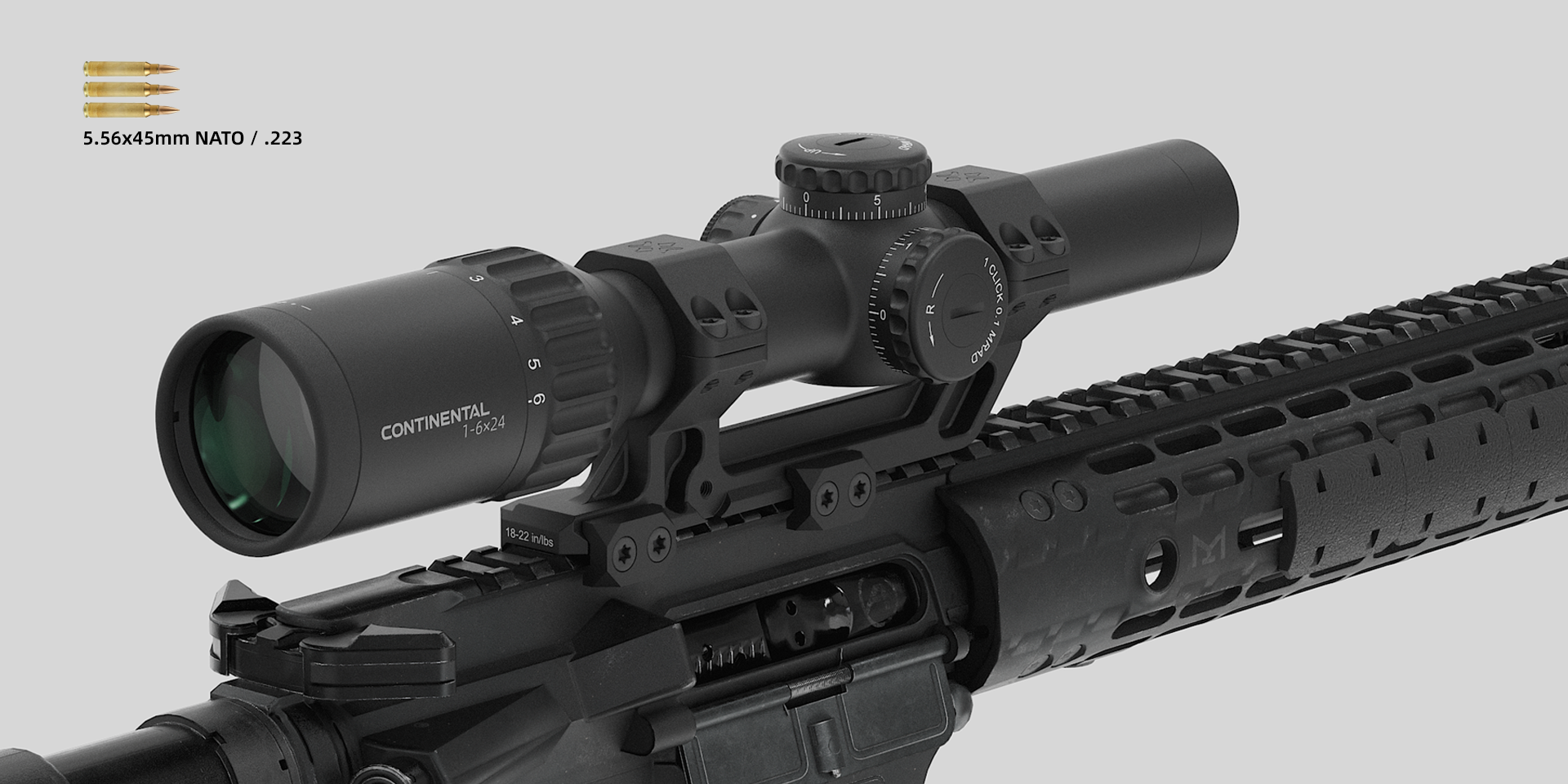
1. What Scope Works Best for AR-15 Target Shooting?
For recreational target shooting, especially within 200 yards, an LPVO (Low Power Variable Optic) offers a practical mix of low-end visibility and higher magnification.
While 1-6x scopes remain popular, 1-8x and 1-10x models provide additional flexibility when targets are farther away.
Both First Focal Plane (FFP) and Second Focal Plane (SFP) scopes can work well, depending on how you prefer to use the reticle.
LPVO: Versatile Magnification for the Range
The Vector Optics Constantine series combines variable magnification with practical reticle designs and protected adjustment turrets.
Two options include:
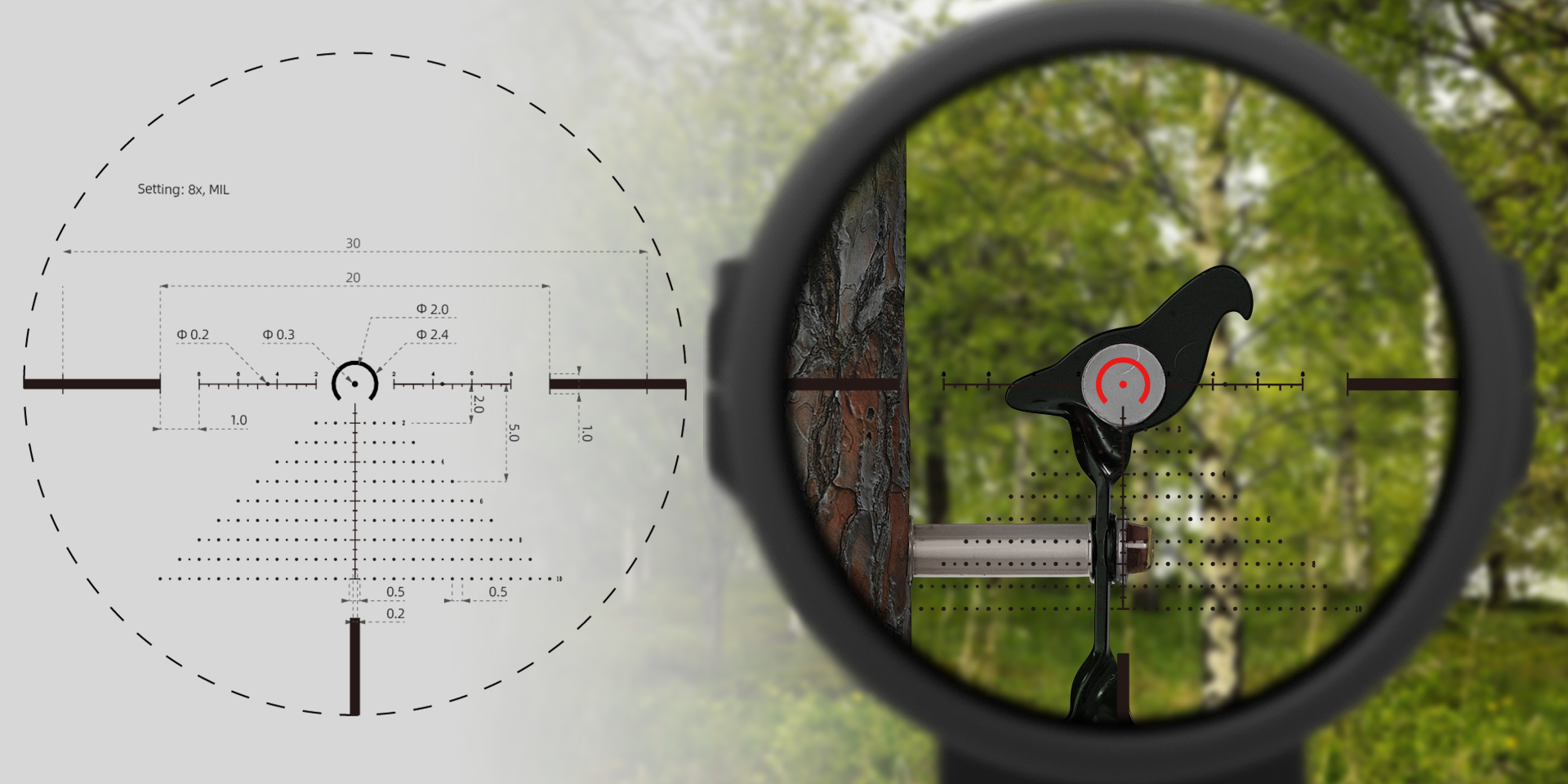
Different reticle designs offer different advantages:
- Fine center dots: Provide a precise aiming reference.
- Illuminated center rings: Help the eye locate the reticle quickly.
- Christmas-tree patterns: Provide additional holdover and windage references.
- G4-style reticles: Offer a relatively uncluttered sight picture with a prominent center.
For example, a 0.3 MIL center dot subtends approximately 3 cm at 100 meters, making it useful for understanding aiming-point coverage.
Higher Magnification: More Detail for Target Practice
If you prefer a closer view of smaller targets, the Veyron series offers compact alternatives.
- Veyron Plus 10×30 Zero (SCOM-46) — A fixed 10x optic with a compact design and detailed reticle references.
- Veyron 3-12×44 SFP (SCOM-40) — Variable 3-12x magnification for shooters who want flexibility across target distances.
Fixed-power optics offer simplicity, while variable-power scopes allow the field of view and target detail to be adjusted.
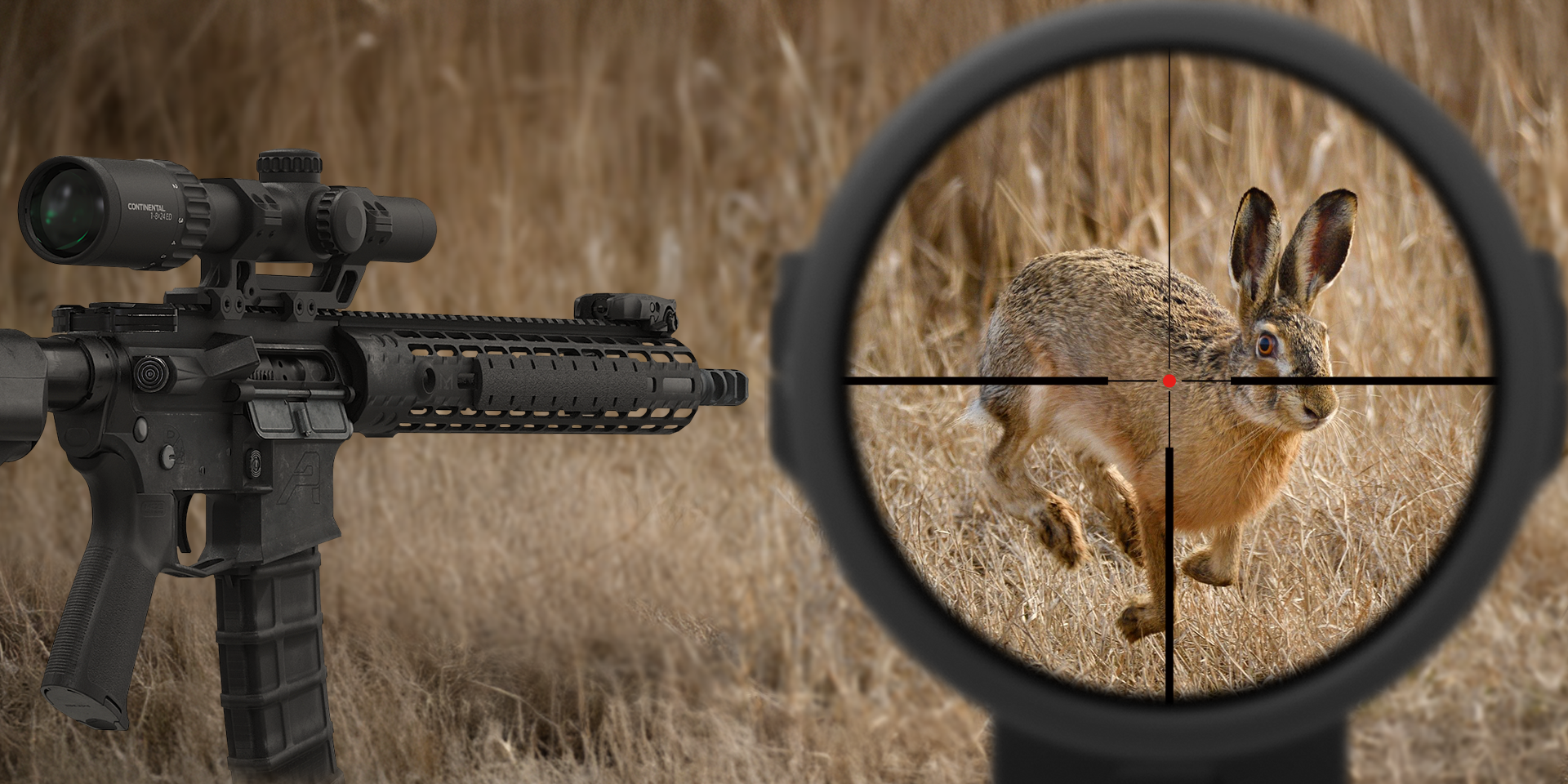
2. What AR-15 Scope Should You Consider for Small Game Hunting?
Small game hunting often involves changing distances, woodland environments, and limited shooting windows.
A lightweight hunting LPVO can be a convenient choice when a wide field of view matters more than extreme magnification.
Useful features include:
- Low starting magnification: A wider field of view for observing the surroundings.
- Simple illuminated reticle: A clearly visible aiming reference.
- Capped turrets: Help protect adjustment settings against accidental movement.
- Good optical clarity: Makes details easier to distinguish in mixed lighting.
A 30 mm main tube may accommodate a larger adjustment range depending on the scope’s internal design, but tube diameter alone does not determine optical brightness.
For shooters exploring affordable hunting optics, VictOptics also offers rifle scope options with different magnification ranges and reticle designs.
3. Which AR-15 Scopes Are Suitable for Varmint Hunting?
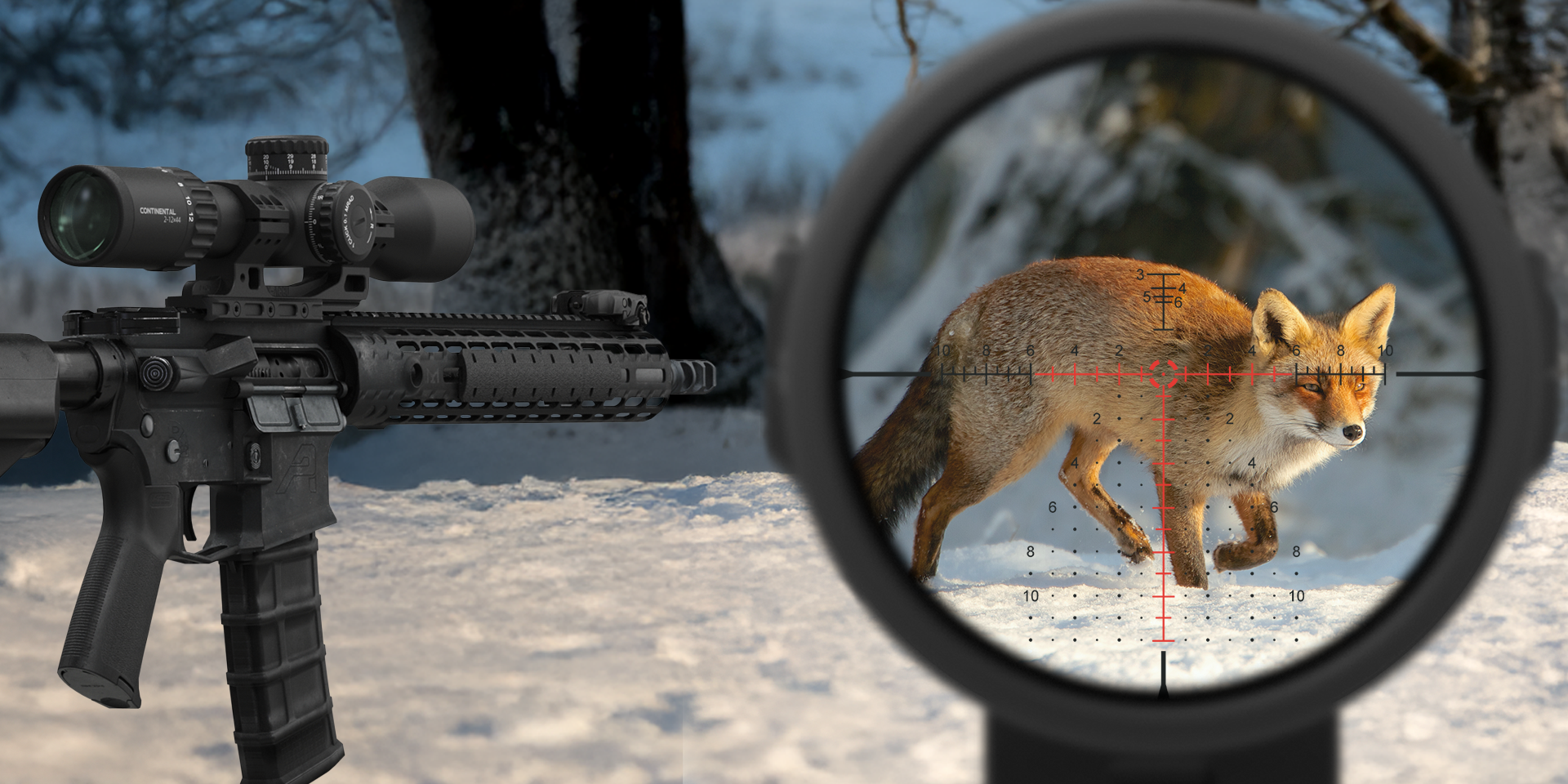
Varmint hunting often places greater emphasis on target detail and precise aiming, especially at longer distances.
For many setups around 100–300 yards, an MPVO (Medium Power Variable Optic) offers useful magnification without requiring an extremely high-power scope.
What Features Matter Most?
- Magnification: Ranges such as 2-12x and 2-16x offer flexibility.
- Glass Quality: Clear optics help distinguish smaller targets.
- Reticle Design: BDC and illuminated hunting reticles serve different preferences.
- Objective Size: Larger objectives can support a larger exit pupil at equivalent magnification.
Vector Optics MPVO Recommendations
The Continental series includes several models worth comparing:
- Continental x6 2-12×50 G4 (SCOM-15) — Combines 2-12x magnification with a hunting-oriented reticle and a 50 mm objective.
- Continental x8 2-16×50 ED (SCOM-45) — Offers a wider magnification range and ED glass for detailed target viewing.
- Continental x6 2.5-15×56 Fiber (SCOM-47) — Features a 56 mm objective and fiber-illuminated center for visibility across changing light conditions.
The Continental 2-12×44 models, SCFF-67 and SCFF-69, are also worth exploring for shooters comparing compact MPVO configurations.
4. How Do You Choose an AR-15 Optic Based on Distance?
Shooting distance is a useful starting point, but it’s not the only factor. Target size, lighting, and shooting purpose also influence your choice.
| Typical Distance | Optic Type | Main Advantage |
|---|---|---|
| Under 50 yards | Red Dot Sight | Unmagnified, wide-view aiming |
| 50–150 yards | LPVO | Flexible low-to-medium magnification |
| Beyond 150 yards | MPVO | More magnification for target detail |
These ranges are general guidelines, not strict limits. Red dots can be used beyond 50 yards, and LPVOs can be effective at much greater distances.
Red Dot Sights for Close-Range Shooting
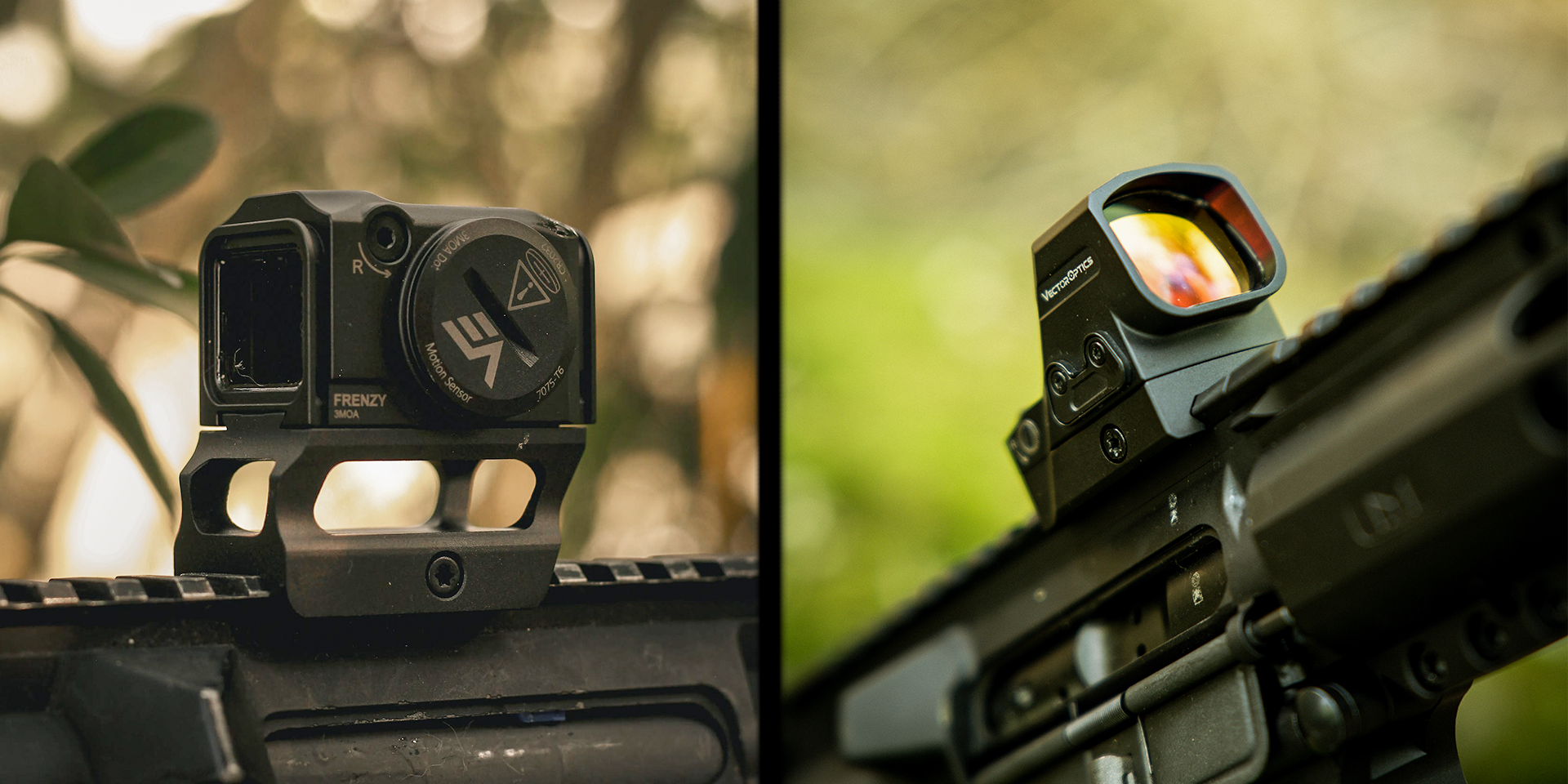
A red dot sight for AR-15 offers a simple, illuminated aiming reference without magnification.
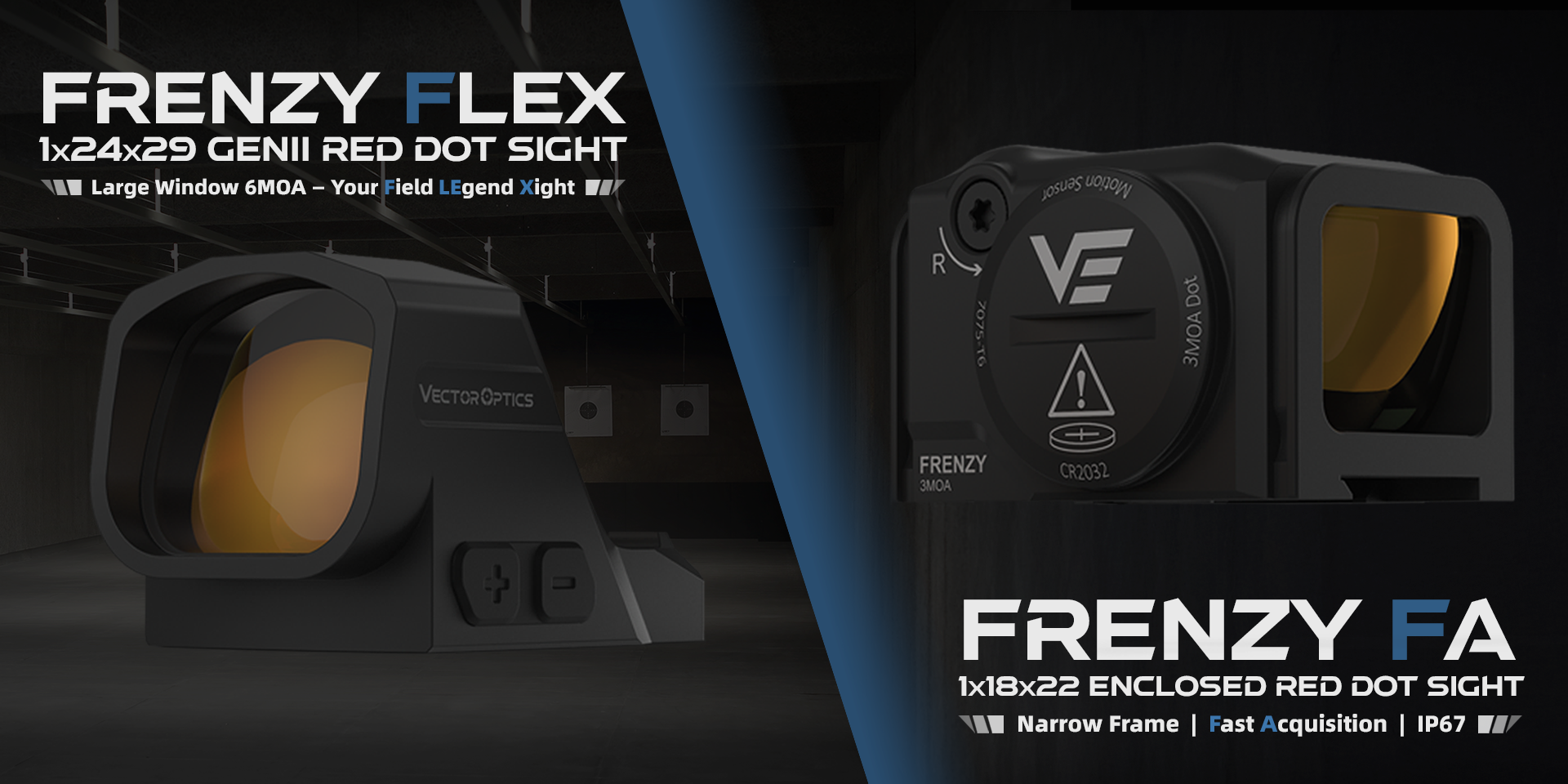
Two Vector Optics options include:
- Frenzy FA 18×22 Enclosed Red Dot (SCRD-75) — Features a 3 MOA dot, enclosed emitter, and 7075-T6 aluminum construction.
- Frenzy FLEX 24×29 GenII Red Dot (SCRD-76) — Combines a 24×29 mm window with a prominent 6 MOA dot.
If you’re comparing entry-level optics for recreational range use, the VictOptics Red Dot Sight Collection offers additional designs.
5. How Can You Find the Right AR-15 Scope?
Choosing an AR-15 optic becomes easier when you start with your shooting purpose.
For general range shooting, an LPVO offers versatility. For smaller targets at greater distances, an MPVO provides more magnification. If you prefer a simple unmagnified sight picture, a red dot may be more suitable.
The best choice isn’t necessarily the optic with the highest magnification. It’s the one that offers the right balance of visibility, comfort, and optical performance for your needs.
FAQ: What Else Should You Know About AR-15 Optics?
1. Can You Use an AR-15 Scope on Other Rifles?
Often, yes. Compatibility depends on the mounting interface, scope dimensions, recoil resistance, and the firearm’s intended use.
2. What’s the Difference Between a 30 mm and 34 mm Scope Tube?
A 34 mm tube may provide more room for internal adjustment, depending on the design. However, a larger tube does not automatically mean better light transmission or image quality.
3. Do You Need an Illuminated Reticle for Daytime Shooting?
Not necessarily. A well-designed etched reticle remains visible without illumination. Illumination can make the aiming point easier to distinguish against certain backgrounds.
4. How Often Should You Check Your Scope’s Zero?
Check zero after installing or changing optics, following a significant impact, or whenever you suspect the point of impact has shifted.
5. Is an FFP or SFP Scope Better for Beginners?
Neither is universally better. FFP reticle subtensions remain consistent across magnification settings, while SFP reticles appear the same size and generally have accurate subtensions at a specified magnification.