


Choosing a red dot sight is not just about dot size or window size. The housing design also plays an important role in how the optic performs in real shooting situations.
When comparing an open red dot sight and an enclosed red dot sight, shooters are usually balancing three things: speed, durability, and protection.
An open design offers a wider, less restricted view that helps with fast target acquisition, while an enclosed design provides better protection against dust, moisture, and impact.
The right choice depends on where you shoot, how you use your firearm, and what performance matters most to you.
1. Open vs Enclosed Red Dot Sight: What’s the Difference?
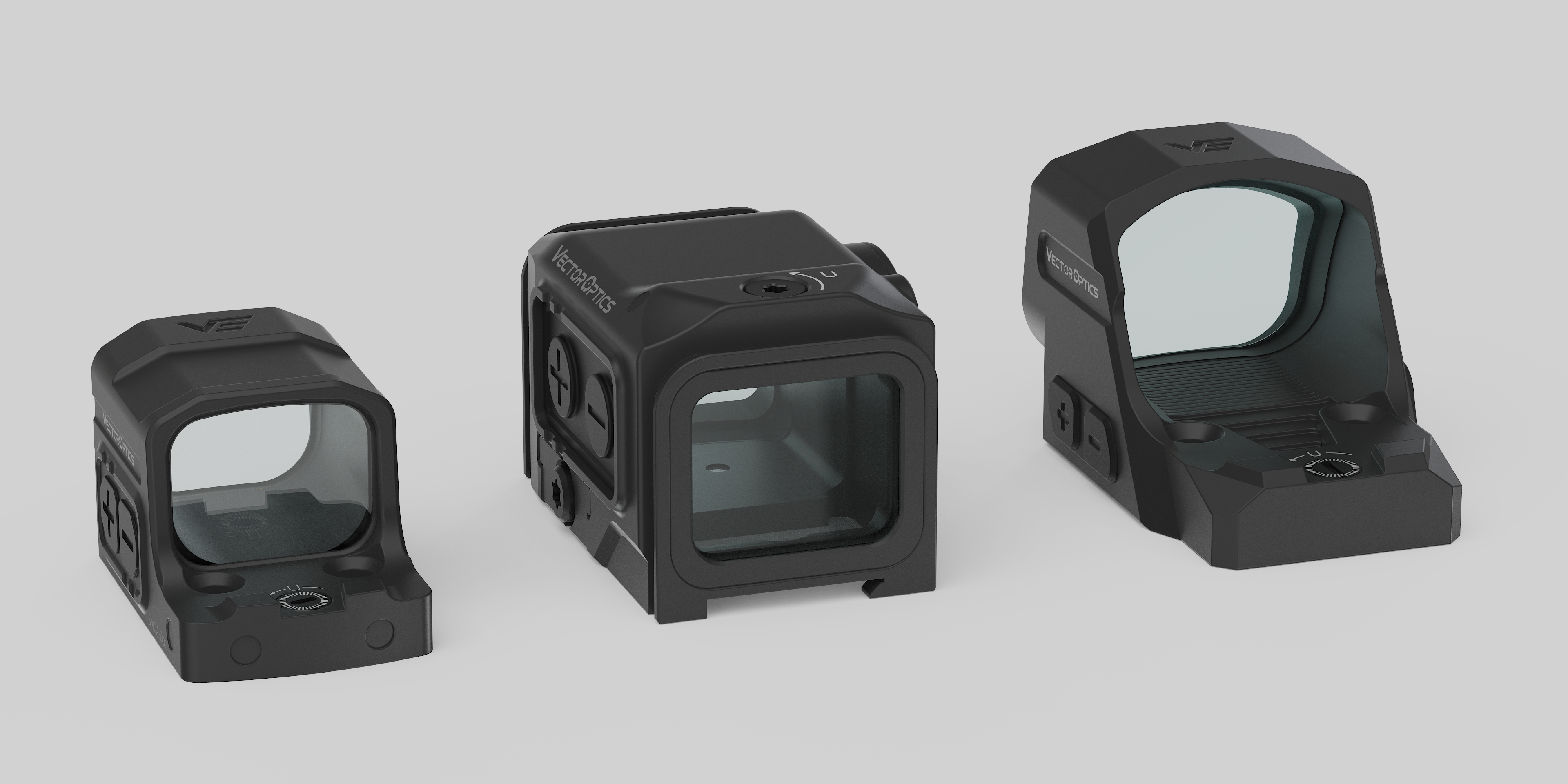
The main difference between open and enclosed red dot sights is how the emitter and internal components are protected.
The emitter is the part that creates the illuminated dot. Since it directly affects whether the reticle works properly, protecting it from external elements is an important consideration.
1.1 What Is an Open Red Dot Sight?
An open red dot sight features an exposed emitter and a more open housing design.
Because there is less material surrounding the optic, this design usually provides a wider field of view and a more open sight picture. Many shooters prefer this setup because the dot feels easier to find during fast target transitions.
Advantages:
- Wider field of view
- Lightweight and compact design
- Faster visual access to the dot
- Popular for competition shooting
However, the open structure also means the emitter is more exposed to environmental factors such as:
- Dust
- Rain
- Mud
- Physical impact
For this reason, open red dots are often better suited for controlled environments, range use, and competition shooting where maximum speed is the priority.
1.2 What Is an Enclosed Red Dot Sight?
An enclosed red dot sight places the emitter inside a sealed housing, creating a more protected optical system.
By surrounding the emitter and internal components, enclosed designs offer better resistance against water, dirt, and debris.
Advantages:
- Improved durability
- Better protection in harsh environments
- Higher resistance to weather and contamination
- Reliable performance for outdoor use
This makes enclosed red dot sights a strong choice for:
- Hunting
- Duty applications
- Tactical shooting
- Outdoor environments with unpredictable conditions
The trade-off is that enclosed optics are usually slightly larger and heavier compared with open designs.
1.3 What Is a Half-Enclosed Red Dot Sight?
A half-enclosed red dot sight combines features from both designs.
The emitter is protected inside a housing, helping shield it from dust, moisture, and impact. However, some external components, such as adjustment areas, may remain exposed.
This design creates a balance between protection and portability.
Advantages:
- More protection than a traditional open design
- Smaller and lighter than many fully enclosed optics
- Good balance between durability and everyday usability
For shooters who want extra protection without adding too much weight, a half-enclosed red dot sight can be a practical middle option.
2. 3 MOA vs 6 MOA Red Dot: Which One Fits Your Shooting Style?
After choosing the optic design, dot size is another important factor.
A smaller dot generally favors precision, while a larger dot focuses on speed and visibility.
2.1 3 MOA Red Dot: Precision and Versatility
A 3 MOA red dot provides a balanced aiming point that works well across different shooting applications.
Because the dot is smaller than a 6 MOA option, it covers less of the target and allows more precise shot placement. At the same time, it remains visible enough for fast target acquisition.
A 3 MOA red dot is commonly used for:
- Pistols
- Rifles
- PCC setups
- General-purpose shooting
For shooters who want one optic that can handle both accuracy and speed, 3 MOA is a versatile choice.
2.2 6 MOA Red Dot: Speed-Focused Shooting
A 6 MOA red dot is designed for shooters who prioritize fast target acquisition.
The larger aiming point is easier for the eye to pick up, especially during:
- Rapid target transitions
- Close-range shooting
- Competition stages
This is why larger dots are popular in disciplines such as IPSC and USPSA.
The main limitation is that a larger dot covers more of the target, which may reduce precision at longer distances. Some shooters with astigmatism may also notice that larger dots appear more distorted under certain lighting conditions.
In short:
- 3 MOA = balance between speed and precision
- 6 MOA = maximum visibility and faster aiming
3. Large Window vs Small Window Red Dot: What Should You Consider?
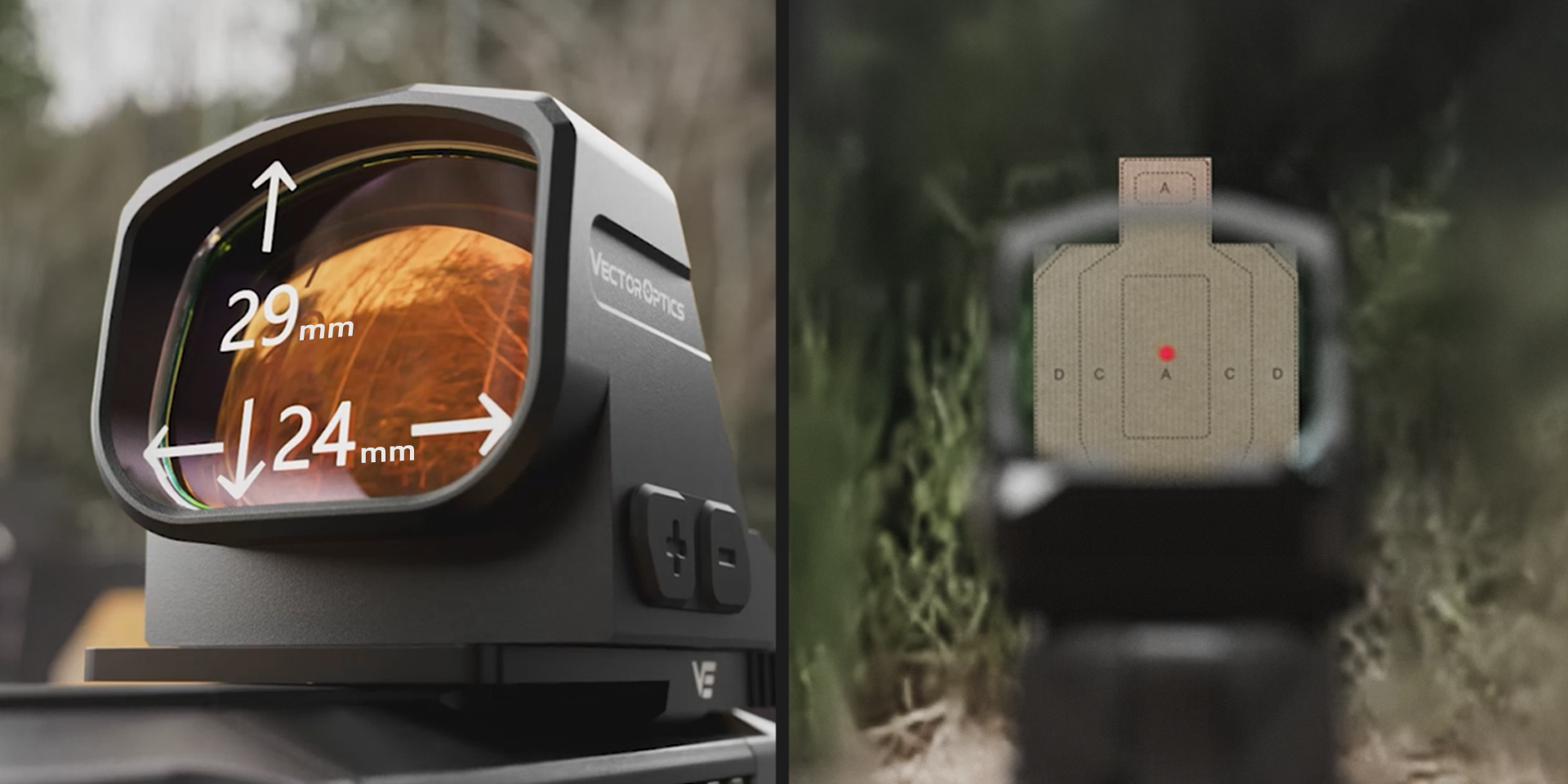
The size of the viewing window also affects how quickly you can find and track the dot.
A larger window provides more visual space, while a smaller window keeps the optic compact and lightweight.
3.1 Small Window Red Dot: Compact and Lightweight
Small window red dots are designed for shooters who value portability.
They are commonly used for:
- Concealed carry pistols
- Everyday carry setups
- Lightweight firearm builds
The smaller footprint makes them easier to carry and helps maintain a compact overall setup.
The trade-off is that the reduced viewing area may require slightly more effort to track the dot during rapid movement or unusual shooting positions.
3.2 Large Window Red Dot: Faster Target Tracking
Large window red dots provide a more open sight picture, making it easier to locate and maintain the dot during dynamic shooting.
They are especially useful for:
- Competition shooting
- IPSC / USPSA
- Fast target transitions
- Shooting while moving
The larger viewing area gives shooters more visual information, helping them recover the dot faster after recoil.
The downside is that larger optics usually add more weight and bulk compared with compact designs.
4. Final Thoughts
Choosing between an open and enclosed red dot sight comes down to understanding your priorities. An open red dot sight offers speed, a wide field of view, and a lightweight design, making it popular for competition shooting. An enclosed red dot sight provides stronger protection and reliability, making it better suited for demanding outdoor environments. A half-enclosed design sits between the two, offering a practical balance for shooters who want both portability and protection.
By considering housing design, dot size, and window size together, you can choose a red dot sight that matches the way you actually shoot.
FAQ
Q1. Which red dot sight design is the fastest for finding the dot under stress?
Open red dot sights often feel faster because they provide a more open sight picture with fewer visual barriers around the aiming point.
This allows the eye to locate the dot quickly, which can be helpful during fast target transitions or dynamic shooting.
Q2. Why do some shooters prefer a more enclosed sight picture?
An enclosed design creates a more defined viewing area around the dot, which some shooters find helpful for maintaining focus.
The additional housing can reduce visual distractions and provide a more consistent aiming reference during rapid shooting.
Q3. Why can open red dots feel faster in close-range shooting?
Because open red dots provide a less restricted field of view, shooters often find it easier to locate the dot immediately.
This advantage becomes especially noticeable during close-range engagements, movement, and situations that require quick transitions between targets.
Get a Free Quote Now!
Feel free to contact us anytime to get the best prices!