


A rifle scope can only perform as well as the system supporting it. While shooters often focus on optics, magnification, and reticles, scope mounts and scope rings are equally important parts of a reliable rifle setup. A proper mounting system keeps the optic secure, helps maintain zero, and ensures the scope stays aligned during recoil and repeated use.
From lightweight hunting rifles to precision competition platforms, choosing the right mount starts with understanding the different types, designs, and materials available.
1. What Is a Scope Mount and Why Does It Matter?
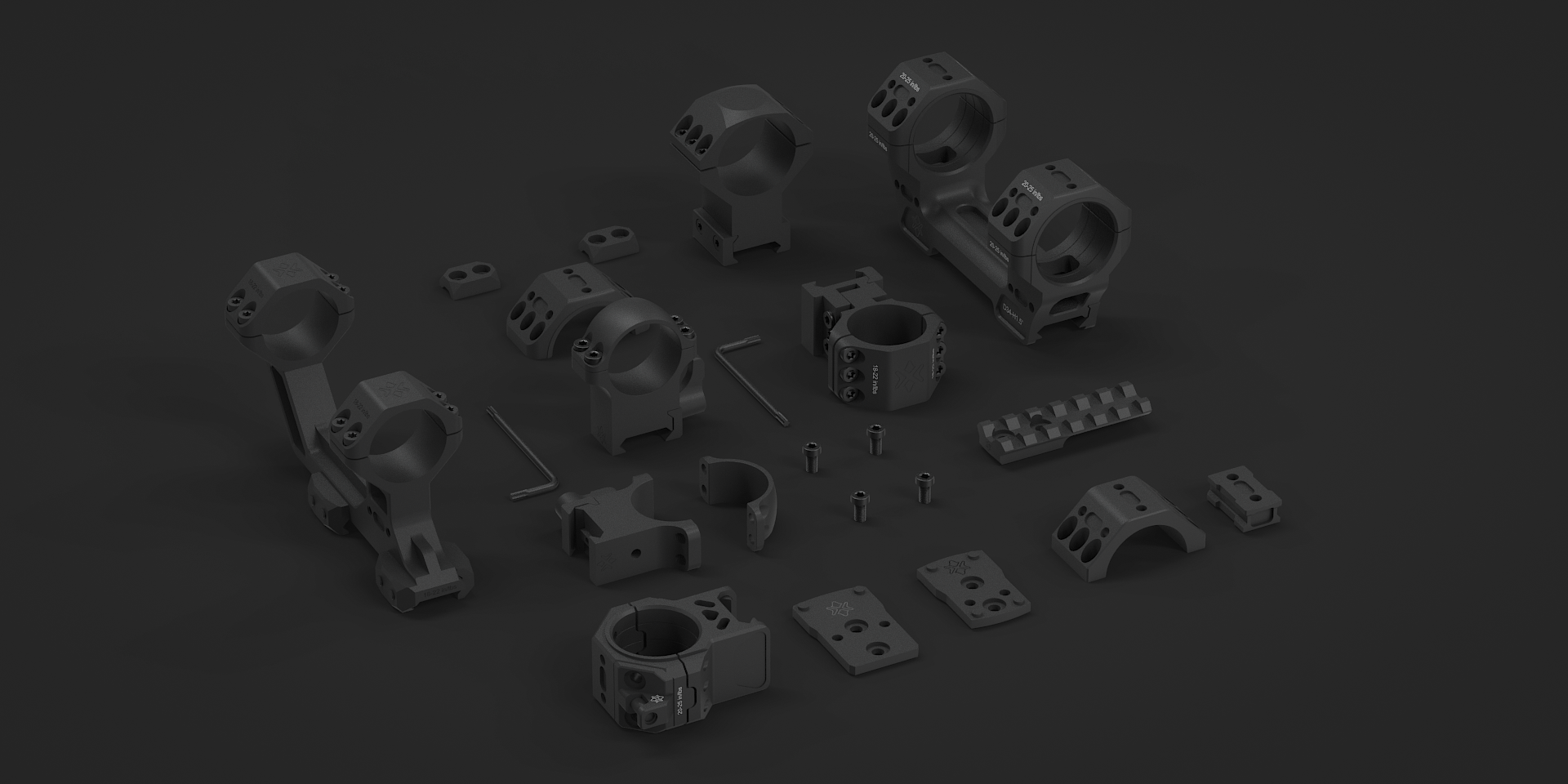
A scope mount is the hardware that connects a rifle scope to the firearm. It attaches the optic to the rifle rail and creates a stable platform for aiming.
A good mounting system does more than hold the scope in place. It helps:
- Keep the optic securely attached
- Maintain zero after recoil
- Reduce movement between the scope and rifle
- Provide consistent alignment for accurate shooting
Some advanced scope mounts also include built-in cant angles, such as 20 MOA, which provide additional elevation adjustment for long-range shooting.
Choosing the right mount is essential because even a high-quality rifle scope may lose performance if the mounting system is unstable or incorrectly installed.
2. Scope Rings vs One-Piece Scope Mounts
The most common scope mounting designs are scope rings and one-piece scope mounts.
Both secure the optic to the rifle, but they are built for different priorities.
| Scope Rings | One-Piece Scope Mount | |
| Design | Two separate rings attach around the scope tube | Rings and base are combined into one integrated unit |
| Weight | Lightweight and compact | Heavier but more rigid |
| Positioning | Flexible placement along the rail | Fixed spacing with consistent alignment |
| Stability | Reliable with proper installation | Higher rigidity under recoil |
| Zero Retention | Good for most applications | Better for precision and heavy-recoil setups |
| Best For | Hunting rifles, lightweight builds | Precision shooting, PRS, AR platforms |
2.1 Scope Rings
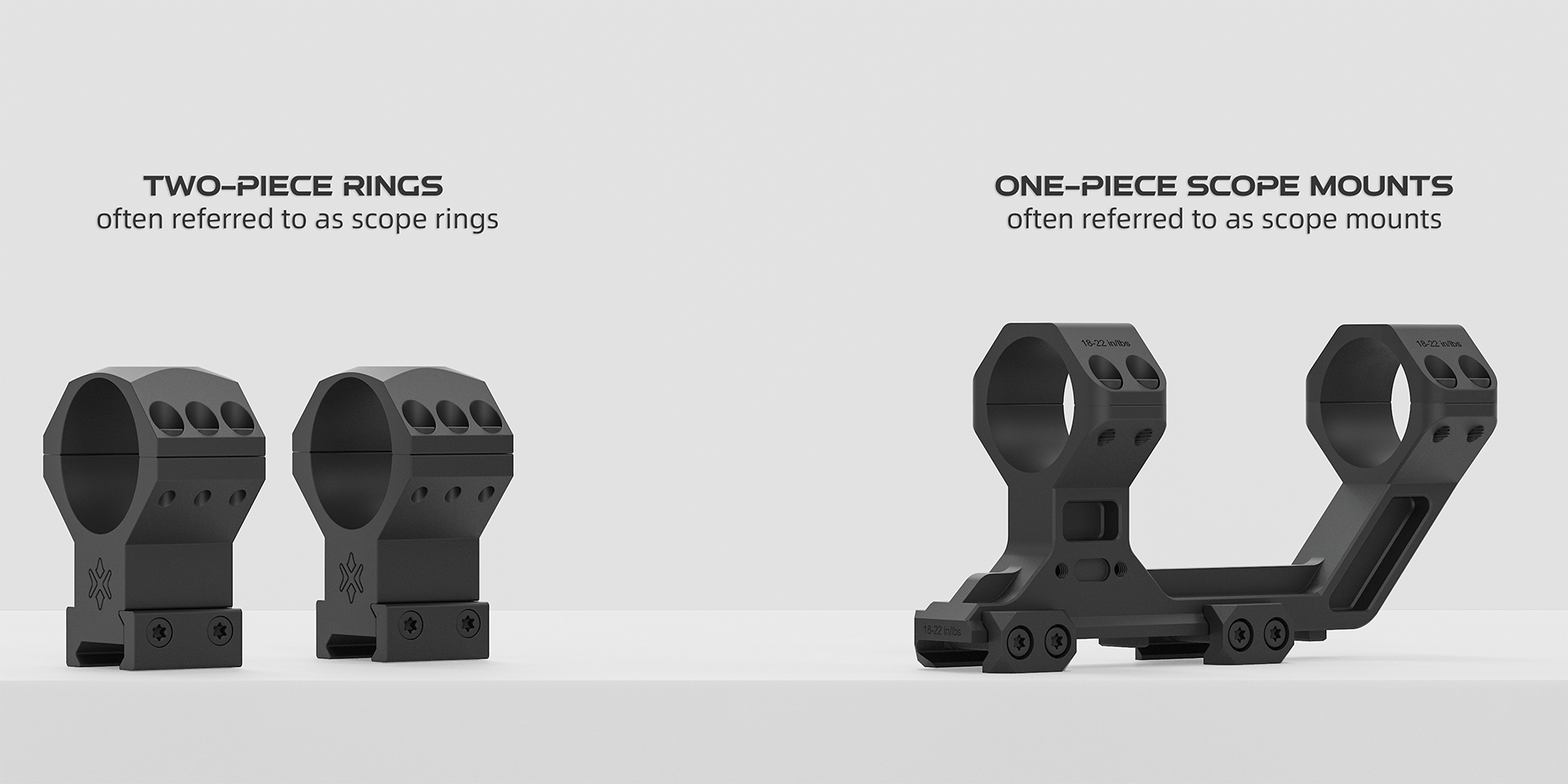
Scope rings are one of the most common ways to mount a rifle scope. Unlike integrated mounts, they use two separate rings that clamp around the scope tube.
Each ring usually consists of:
- a ring body that attaches to the rail
- a removable cap that secures the scope tube
Because the front and rear rings can be positioned independently, shooters have more flexibility when setting up different rifle and optic combinations.
This makes scope rings a popular choice for:
- hunting rifles
- lightweight rifle builds
- general-purpose shooting setups
Their main advantages are:
- lower weight
- easier positioning
- wider compatibility
- lower cost
Some adjustable scope rings can also provide additional flexibility by creating a slight canted effect, helping shooters gain extra elevation adjustment for longer-range shooting.
However, separate rings rely more heavily on correct installation. Poor alignment or uneven tightening can place stress on the scope tube and may affect zero consistency.
2.2 One-Piece Scope Mounts
A one-piece scope mount combines the base and rings into a single integrated structure.
Compared with separate rings, this design provides greater rigidity because both mounting points remain aligned on the same axis.
Key advantages include:
- Improved zero retention
- Better resistance to flexing under recoil
- More consistent scope alignment
- Reduced stress on the scope tube
Many one-piece mounts also include built-in cant angles, such as 20 MOA, which help increase usable elevation adjustment for long-range shooting.
They are especially useful for:
- precision rifle shooting
- PRS competition
- heavy-recoil platforms
- AR-15 rifles with LPVO scopes
For AR platforms, cantilever one-piece mounts are particularly useful because they position the optic farther forward while keeping the entire mount attached to the receiver rail.
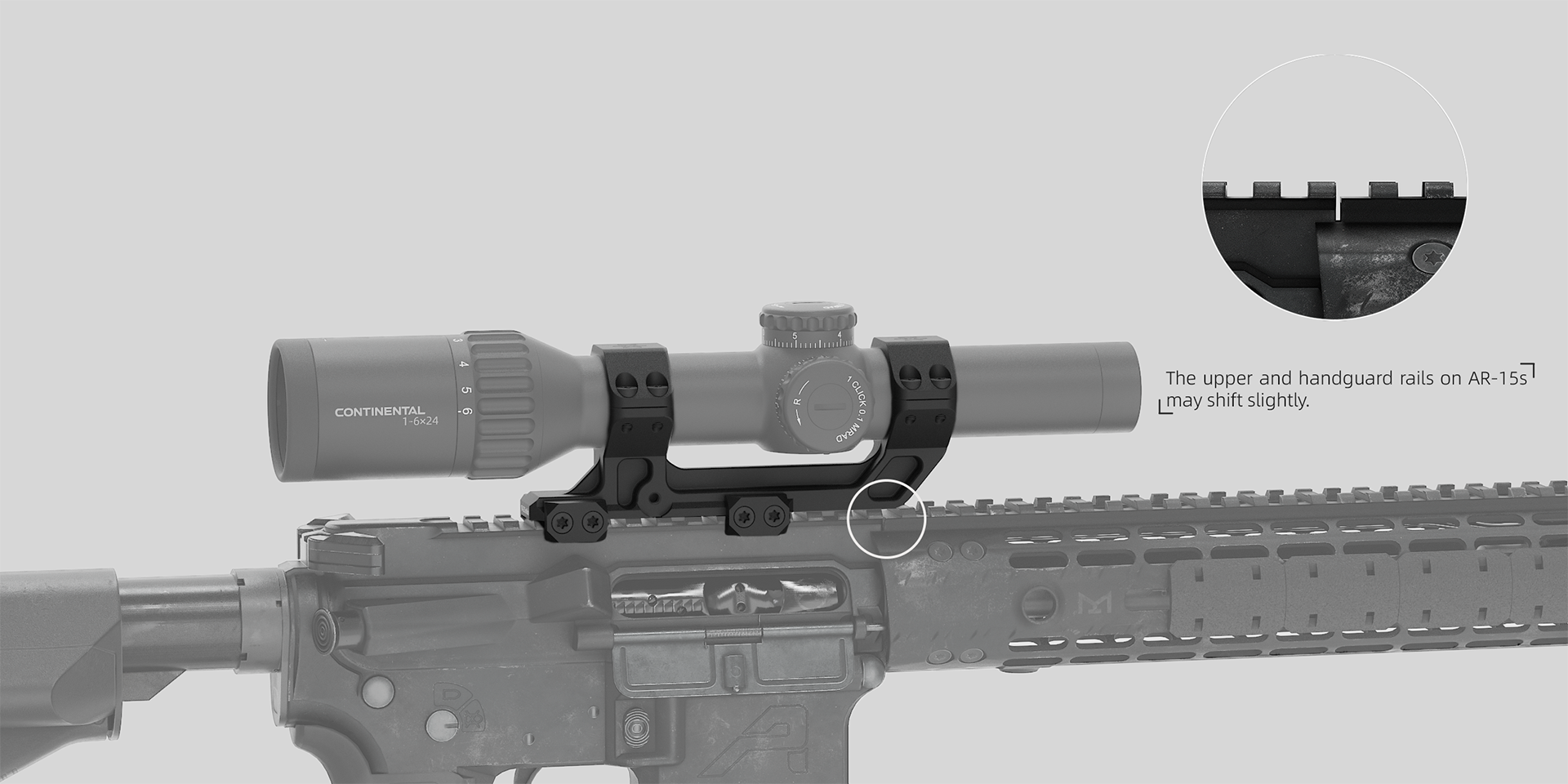
Important: On AR-15 rifles, avoid placing one scope ring on the handguard rail and the other on the receiver rail. These sections can move slightly relative to each other, which may create stress on the scope tube and affect accuracy.
3. Fixed Mount vs Quick Release Mount
Another way to classify scope mounts is by how they attach to the rifle.
| Fixed Mount | Quick Release Mount | |
| Installation | Requires tools such as screws or torque drivers | Tool-free removal with levers or locking mechanisms |
| Stability | Maximum stability and repeatability | Depends on QD mechanism quality |
| Zero Retention | Excellent for dedicated setups | Good with high-quality designs |
| Flexibility | Not designed for frequent changes | Fast optic swapping |
| Best For | Single-rifle setups | Users switching optics or platforms |
3.1 Fixed Scope Mount
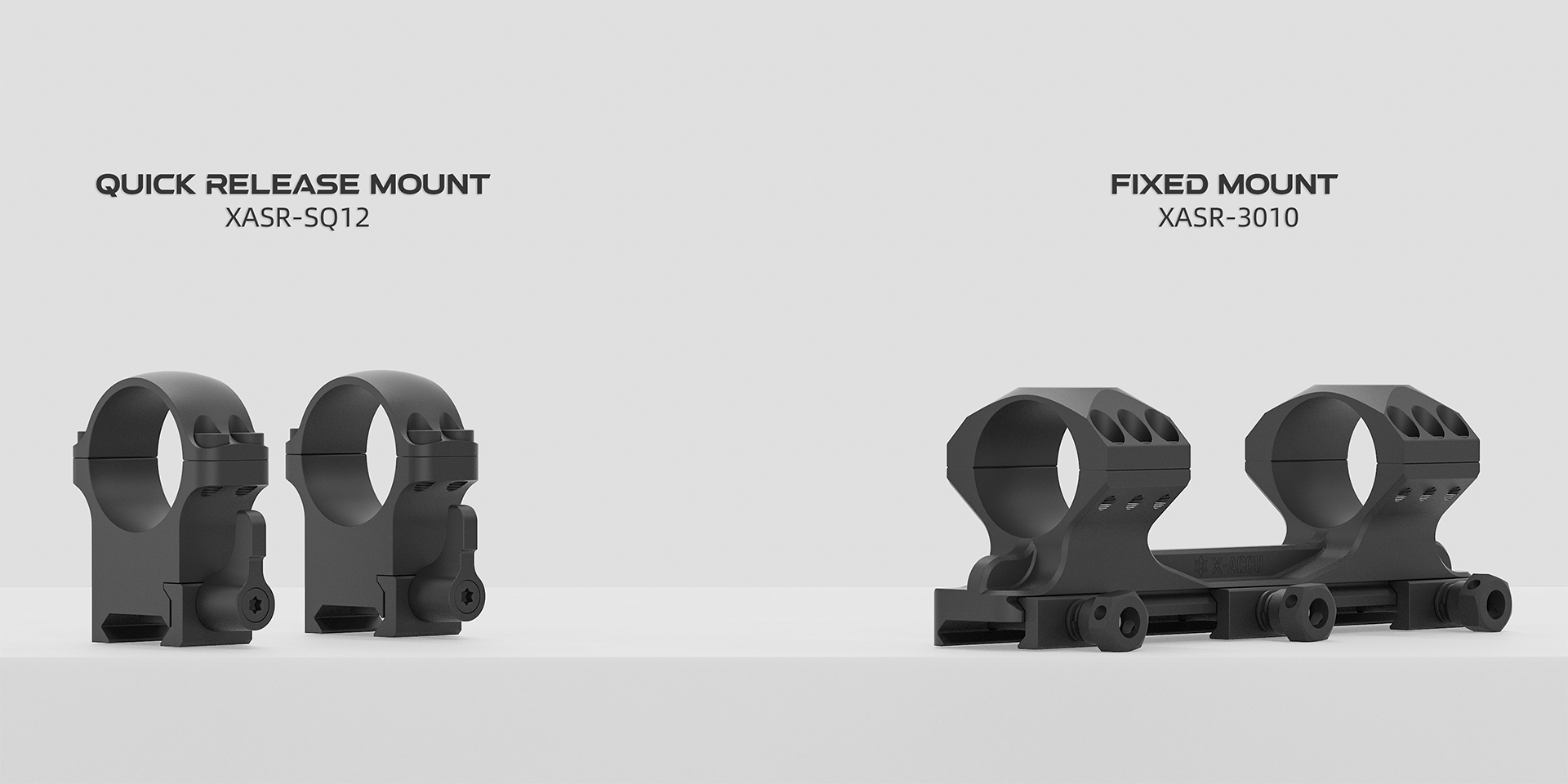
A fixed scope mount uses screws or bolts to create a secure connection between the optic and rifle. Once installed correctly, it provides a highly stable platform with minimal movement.
Because it is designed for long-term attachment, a fixed mount is a great choice for shooters who keep the same optic on the same rifle and prioritize consistency over quick changes.
Key characteristics:
- Strong and rigid connection
- Excellent repeatability after installation
- Simple and durable construction
- Usually more affordable than QD systems
Fixed mounts are commonly used for:
- Hunting rifles
- Precision rifle setups
- Dedicated competition builds
For shooters who value maximum stability and do not frequently change optics, a fixed mount is often the most reliable solution.
3.2 Quick Release Scope Mount
A quick release (QD) scope mount uses a lever, button, or cam-lock mechanism that allows shooters to attach or remove optics without tools.
This design is especially useful for users who need flexibility, such as switching between different optics or moving equipment between multiple rifles.
Key advantages include:
- Fast optic removal and installation
- Easy switching between different sighting systems
- Convenient for multi-platform setups
Compared with fixed mounts, QD systems require more complex mechanical designs, which usually means higher cost and additional weight.
A high-quality QD mount can maintain zero well after repeated removal and installation. However, lower-quality designs may introduce slight movement in the locking mechanism, which can affect repeatability.
QD mounts are especially useful for:
- Shooters using multiple optics
- Platforms requiring quick configuration changes
- Users switching between magnified optics, red dots, or night vision devices
4. Scope Mount Materials Comparison
The material of a scope mount affects its weight, durability, corrosion resistance, and price.
| Material | Advantages | Limitations | Best For |
| 6061-T6 Aluminum Alloy | Lightweight, corrosion resistant, affordable | Lower strength compared with 7075-T6 | Hunting and lightweight setups |
| 7075-T6 Aluminum Alloy | High strength-to-weight ratio, durable, reliable | Higher cost | Precision and premium mounts |
| Stainless Steel | Extremely strong and durable | Heavier construction | Heavy recoil applications |
| Titanium Alloy | Lightweight, strong, corrosion resistant | Expensive and harder to manufacture | Premium lightweight builds |
Among these materials, 7075-T6 aluminum alloy is widely used in high-quality scope mounts because it provides an excellent balance of strength, weight, and cost.
For most shooters, the best material depends on the intended use rather than simply choosing the strongest option.
For a reliable mounting solution, explore VE’s X-Accu Series, featuring precision-engineered scope rings and mounts designed for hunting, competition, and precision shooting applications.
5. Conclusion
Scope mounts and rings may seem like simple accessories, but they are the foundation of a reliable rifle setup. The right mount keeps your optic secure, helps maintain zero, and allows your rifle scope to perform consistently. Whether you choose lightweight scope rings, a rigid one-piece mount, or a quick release system, the best option depends on your shooting needs. A well-matched mounting system gives you the confidence to focus on the shot instead of worrying about your equipment.
FAQ
Q1. How Do You Find the Right Scope Mount Position?
The scope should be positioned based on your natural shooting position and eye relief. Mount it so you can shoulder the rifle comfortably and immediately see a full sight picture without moving your head forward or backward.
Q2. Are one-piece scope mounts better than scope rings?
Neither option is always better. One-piece mounts provide greater rigidity and alignment consistency, making them suitable for precision shooting and heavy-recoil setups. Scope rings are lighter, more flexible, and easier to position, making them a good choice for hunting and lightweight rifles.
Q3. When Do You Need a 20 MOA Scope Mount?
A 20 MOA mount tilts the scope slightly to provide additional elevation adjustment for long-range shooting. It helps shooters preserve more usable turret travel when dialing for extended distances.
Get a Free Quote Now!
Feel free to contact us anytime to get the best prices!